The Problem
Cataract surgery is one of the most commonly performed surgical procedures worldwide, making device safety and quality control essential. During these procedures, Alcon's phacoemulsification handpieces are used to assist with lens removal and must undergo particulate shedding testing during production to help ensure patient safety. However, current testing relies on manual optical microscopy, which can be time-intensive, operator-dependent, and difficult to scale for high-volume manufacturing.
The Need for Automation
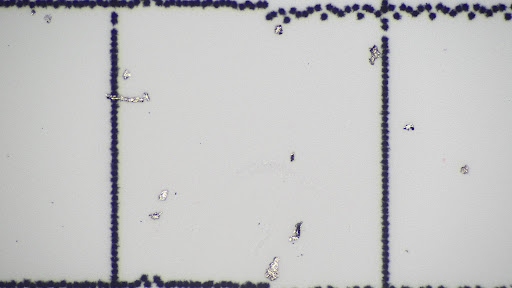
Manual particulate inspection requires quality testing operators to locate, count, and measure particles across microscope images. Because this process depends on manual review, it can introduce variability and slow down production workflows. PartiClear was developed to support a more standardized approach to particulate analysis by reducing manual scanning burden and improving consistency in detection and measurement.
Our Solution: PartiClear
PartiClear is an automated particulate counting system designed to support titanium particulate inspection during handpiece production. The system integrates a motorized stage controller with microscope image capture and a machine learning detection model to identify, count, and measure titanium particulates on filter slides.
How It Works
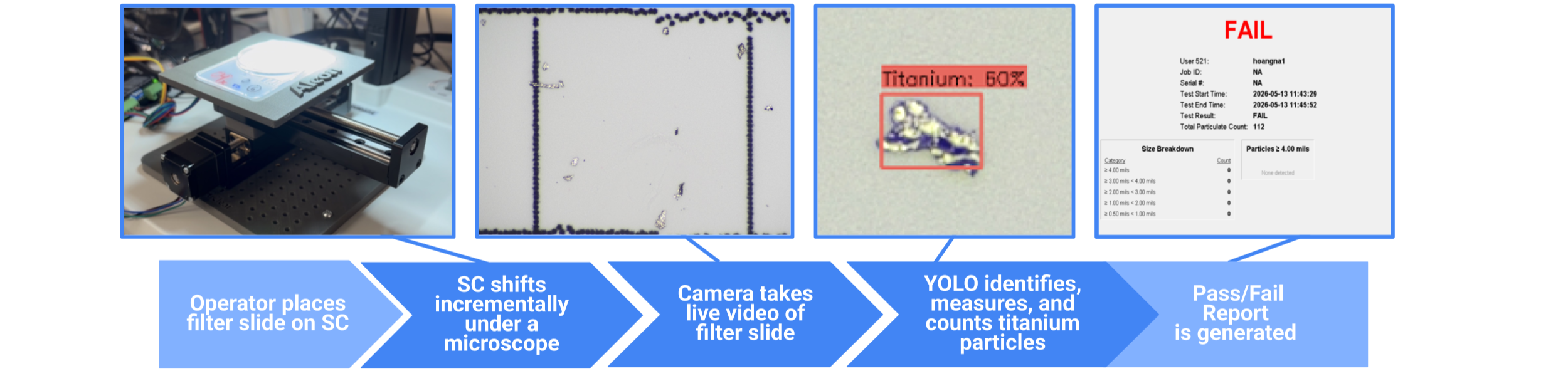
PartiClear automates the particulate inspection workflow by moving the slide under the microscope, capturing images, detecting titanium particles, and supporting pass/fail reporting.
Stage Controller System
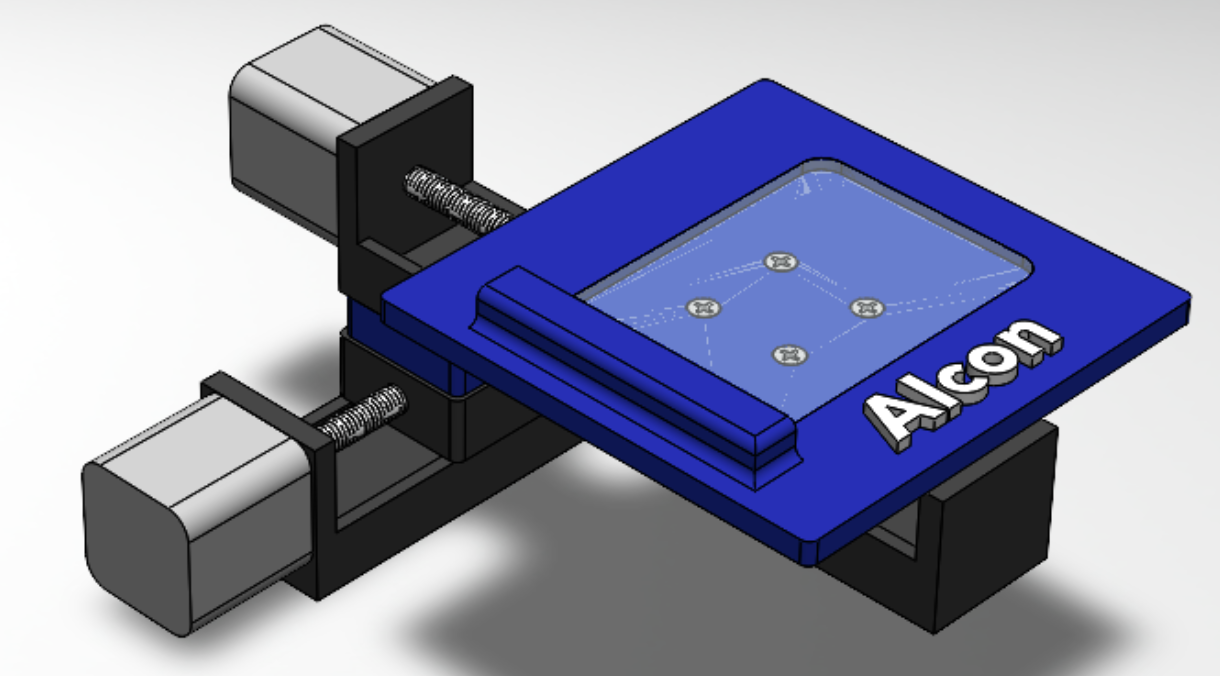
The stage controller automates filter slide movement under the microscope using controlled x- and y-axis motion. Instead of requiring an operator to manually reposition the slide, the system moves incrementally across the slide surface in a snake-path pattern. This helps improve scanning consistency and allows the microscope camera to capture different regions of the filter slide in a repeatable sequence.
Machine Learning Detection
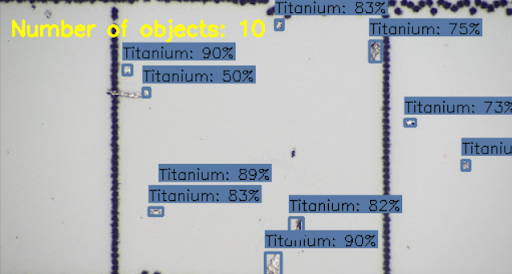
Our team trained a You Only Look Once or a YOLO-based object detection model using labeled 300+ microscope images of filter slides containing titanium particulates, dirt, and lint. The trained model analyzes captured frames from the microscope and places bounding boxes around detected objects. These outputs allow PartiClear to identify titanium particulates, distinguish them from other debris, and use the bounding boxes as the basis for automated particle counting and size measurement.
Measurement and Reporting
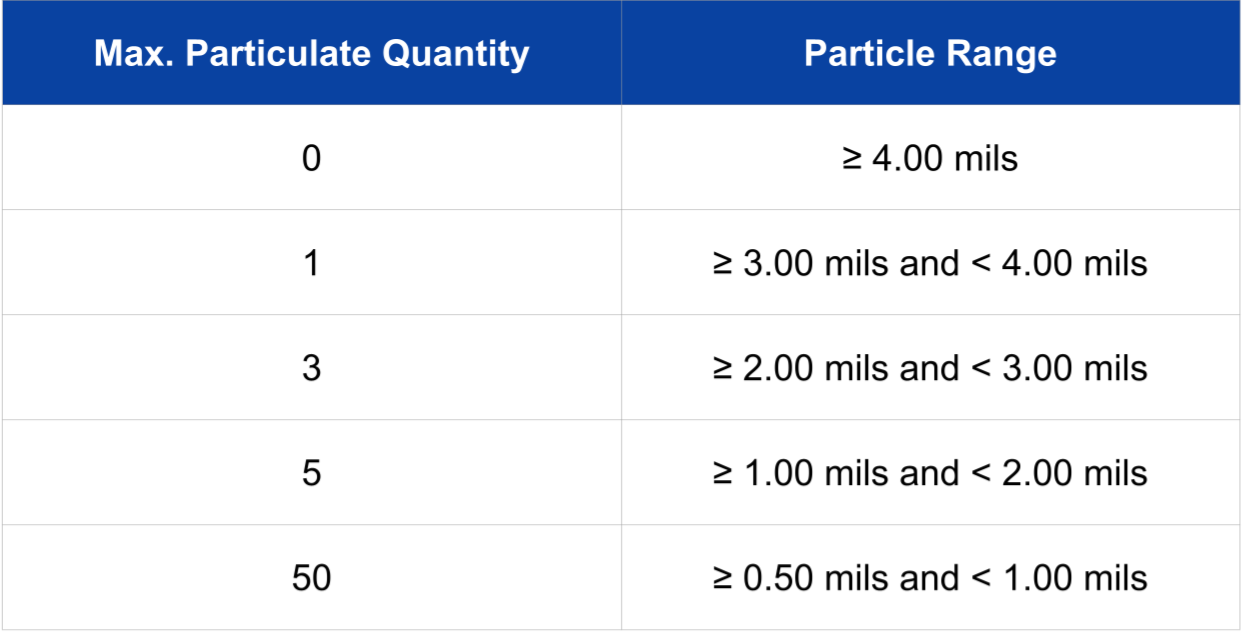
After particles are detected, the system uses the bounding box outputs to support particulate counting and size measurement. These measurements are then organized by particle size range and compared against the maximum allowable particulate quantities shown in the threshold table. By translating detection results into a pass/fail report, PartiClear helps convert image analysis into a format that can directly support quality testing review.